The Need for Flexibility and Demand Response in Ireland's Electricity System
- Triple Edge Energy
- Energy Markets , Energy Transition
- 30 Jan, 2024
Ireland’s transition to a low-carbon future depends on major changes in how electricity is generated and consumed. The rapid growth of electrification, industrial expansion, and renewable energy means the electricity system must adapt to ensure stability, efficiency, and affordability.
Why Flexibility Is Needed
1. Rising Electricity Demand
Forecasts predict that Ireland’s electricity demand will more than double by 2035, from 33 TWh to 80 TWh, with peak demand growing from 5.5 GW to 11 GW. Some areas may experience even higher growth.
2. More Renewable Energy
Ireland’s climate goals rely on a high share of wind and solar power, which are intermittent. A flexible grid enables renewables to be more efficiently integrated, reducing reliance on fossil fuels.
3. Decarbonisation Targets
The Government Climate Action Plan 2023 (CAP23) sets ambitious carbon reduction targets, including 15-20% demand flexibility by 2025 and 20-30% by 2030, to help meet carbon budget limits.
4. Maximizing Grid Efficiency
Enhancing flexibility means making the best use of existing electricity infrastructure, reducing the need for costly upgrades and reinforcing system resilience. Ultimately this brings value to all electricity consumers.
What Is Demand Side Response (DSR)?
Demand Side Response (DSR) is a way for electricity users - homes, businesses, and communities - to adjust their electricity consumption to help balance the grid. This includes:
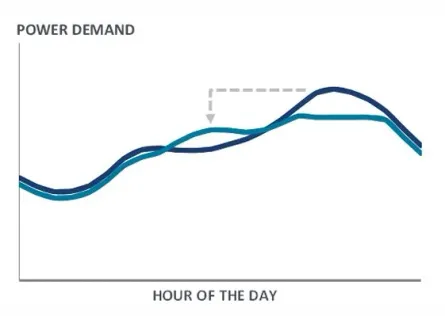
- Reducing or shifting electricity use during peak times (typically 5-7 PM) to cut carbon emissions and ease pressure on the grid. This can also be enabled by smart use of onsite energy resources.
- Saving on electricity bills by using power when prices are lower and cleaner energy is available.
- Earning financial incentives through ESB Networks flexibility programmes, which reward users for making capacity available and delivering it when called.
- Helping you towards meeting any internal sustainability and carbon abatement targets.
Enabling Ireland’s Energy Transition
Flexibility is key to keeping electricity reliable, affordable, and sustainable as the country moves toward a greener future. By working together, businesses, communities, and individuals can unlock the full value of distributed energy resources and support Ireland’s climate commitments.
At Triple Edge Energy, we are constantly looking at market opportunities to bring maximum value to our Clients. The Energy Industry is evolving and opportunities to play an active part are opening up.
Learn more about how your business can make money through energy flexibility and see how Ireland’s flexibility market is taking shape.
Contact us to make sure you are not missing out: Get in touch
References
- EirGrid (2023). Tomorrow’s Energy Scenarios 2023 Consultation Report.
- ESB Networks (2023). Demand Flexibility Product Proposal Consultation.
- Department of the Environment, Climate and Communications (DECC), Government of Ireland (2023). Climate Action Plan 2023 (CAP23).